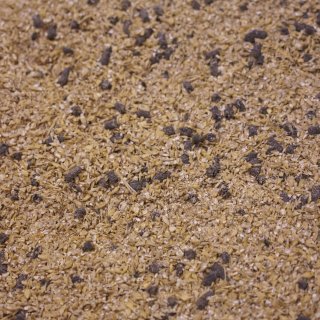

Winter is often the toughest time of year for housed cattle. With shorter days, lower temperatures and sometimes thinning silage and hay stocks, both dairy and beef herds face increased nutritional challenges.
Kathryn Thompson :: Wednesday 28th January 2026 :: Latest Blog Posts
Housing Nutrition: Reducing Cold Stress in Dairy & Beef Cattle
Winter is often the toughest time of year for housed cattle. With shorter days, lower temperatures and sometimes thinning silage and hay stocks, both dairy and beef herds face increased nutritional challenges. Providing the right diet and management now, as stored winter feed quality declines, isn't just good practice, it's essential for animal welfare and production. This guide brings together practical strategies to reduce cold stress, adjust rations, maintain water access and cope with tightening feed supplies.
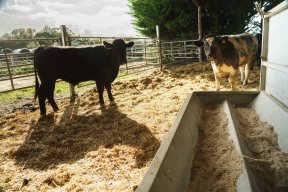
What Is Cold Stress and Why It Matters for Cattle
Cold stress occurs when cattle must use extra energy just to keep warm, diverting nutrients away from growth, milk production and condition. Below the thermoneutral zone – the range of temperatures where no extra energy is needed – cattle increase metabolic heat production to maintain core body temperature. Each degree drop below this zone raises energy requirements by roughly 2% or more.
For housed cattle, especially in February, this means:
- Extra feed needed simply to maintain body temperature.
- Potential loss of body condition if feed energy is insufficient.
- Reduced milk yields or slower weight gains if diets aren't properly balanced.
Above all, maintaining body condition during cold snaps helps cows calve in better condition, produce quality colostrum and return to heat efficiently.
How Housing Affects Energy Needs
Being housed protects cattle from wind chill and rain, but doesn't eliminate the effects of cold temperatures. Draughts at animal height, damp bedding or poor ventilation increase heat loss and lower the effective temperature experienced by animals.
Key Points to Consider
- Shelter quality matters, solid windbreaks and dry, draught?free areas can reduce energy loss.
- Bedding quality and dryness help cattle maintain insulation and reduce cold stress.
- Even in well?ventilated housing, cattle may still expend extra energy to stay warm.
Adjusting Rations to Meet Winter Needs
Winter feeding is not just about "more feed", it's about the right feed.
- Increase Energy Density
Cold?stressed animals often can't eat enough low?quality forage to meet their energy needs. Boosting energy density helps:
- Introduce higher?energy concentrates or cereals into the ration.
- Use by?products that are highly digestible such as beet pulp if available and suitable.
- Consider higher?oil or high?ME ingredients to maximise energy per kg.
- Balance Fibre and Rumen Health
Even as energy needs rise, adequate effective fibre is crucial for rumen function. If forage quality is declining:
- Supplement with long fibre sources such as straw or specialised fibrous blends.
- Balance supplementation to avoid rumen acidosis from high concentrate loads.
- Monitor Body Condition Closely
Tracking body condition scores (BCS) weekly helps you:
- Identify cattle losing condition.
- Adjust rations before animals enter a deficit
If cows are losing BCS, it's a clear signal that current ration energy is insufficient.
What to Do When Forage Quality Declines
By late winter, even the best-made silage can begin to deteriorate. Nutritional value drops as forage ages - stems become tougher, the metabolisable energy (ME) falls, and palatability may suffer. It's a common concern across UK farms in February, and one that needs proactive management to avoid performance dips. (FAS)
So, what should you watch for? Signs of declining forage quality often show up in the feed passage first. Cattle may start to leave more behind in the trough, particularly if they're sorting through silage and avoiding tougher or mustier sections. You might notice a stale smell or even patches of mould - all clear indicators that the forage isn't what it was at the start of winter.
How to Supplement Effectively
If you're seeing these signs, it's time to act. Start with a current forage analysis - don't rely on figures from early winter. Nutritional values like dry matter (DM), ME and crude protein can shift significantly over time. Knowing where your forage stands now is essential for making the right ration adjustments.
Once you've assessed the current quality, consider your supplementation options. If ME levels have dropped, targeted energy supplements can help bridge the gap. High-energy blends, molassed feeds or cereals may be appropriate, depending on your system. Where forage is lacking in digestible fibre, fibrous concentrates or straw can support rumen health and keep intakes up.
It's also a good time to review your mineral and vitamin provision. Older silage may not deliver the same levels of key trace elements like selenium, copper or magnesium - all vital for immunity, fertility and performance. A simple tweak in supplementation can make a big difference to outcomes over the next few weeks.
Above all, the goal is to stay ahead of problems. Consistent forage testing, visual assessments and ration tweaks now will help avoid poor intakes, weight loss, or dips in milk yield.
Ensuring Water Access and Hydration
Water is often overlooked in winter feeding strategies, yet it's just as vital as the feed itself. In cold snaps, water intake can drop sharply, either because supplies freeze, or because animals are reluctant to drink chilled water.
When cattle don't get enough to drink, their feed intake drops, which further reduces energy intake, a serious risk in already cold conditions.
Common challenges include frozen troughs, burst pipes or stagnant water sitting too cold to encourage good consumption. To combat this, ensure troughs are checked and cleared daily. Heated or insulated drinkers can be a worthwhile investment, especially in older housing setups.
Simple actions, such as regularly thawing pipes, clearing ice or topping up water during the warmest part of the day, can have a noticeable impact on intake and overall herd health. Hydration supports not just digestion but also helps maintain body temperature, making it a key tool in reducing cold stress.
Planning Ahead: Stretching Winter Feed Supplies
With worn forage stocks and late?winter weather still cold in February, strategic planning helps preserve feed while maintaining performance.
Practical Steps
- Feed budgeting: Calculate remaining forage DM and plan daily allowances.
- Group by need: Separate higher?requirement animals (e.g. lactating cows) from dry or maintenance groups.
- Use supplements sparingly but strategically: Targeted energy and fibre sources can stretch forage without waste.
Many farms find late winter the most expensive time for feed. Early planning and ration tweaks now will ease pressure on stocks while keeping cattle healthy.
When to Seek Expert Support
If milk yields fall, body condition drops, or feed supply becomes critically low, it's wise to get a nutritionist involved. Tailored ration formulations, forage analysis interpretation and feed supply planning can save money and improve animal outcomes.
At BW Feeds, we're here to help with:
- Forage analysis and interpretation.
- Custom ration blending to complement remaining stocks.
- On?farm nutritional planning through to spring turnout.
Staying Ahead of Cold Stress in February
February may be one of the toughest months of the winter housing period, but with thoughtful management you can reduce cold stress and maintain production. Tailor rations for energy, watch water access closely, assess and supplement declining forage, and plan your feed budget with care.
Healthy cattle through winter means a stronger spring and a better start to your production year.
If you'd like personalised advice for your herd's housing nutrition or feed plan, get in touch with the BW Feeds team today.