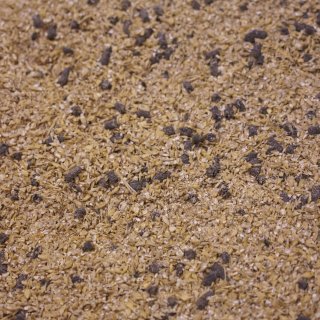

In British farming, where unpredictable weather can make or break a season, effective grain storage is essential – not just for feed quality, but for the health and productivity of your livestock.
Kathryn Thompson :: Tuesday 27th May 2025 :: Latest Blog Posts
Grain Storage That Pays Off: Boosting Livestock Health and Farm Profitability
In British farming, where unpredictable weather can make or break a season, effective grain storage is essential – not just for feed quality, but for the health and productivity of your livestock. Poor storage can lead to mould, nutrient loss and wasted investment. But with the right approach, your homegrown grains can be a reliable, high-quality feed source all year round. At BW Feeds, we believe in preserving not only your crops but also your peace of mind – starting with smarter storage solutions and proven products like Mega Grain Liquid Preservative.
The Impact of Poor Grain Storage

Grain that isn't stored correctly poses serious risks, both to your livestock and your bottom line. High moisture content, common in the UK's damp climate, creates the perfect environment for moulds, yeasts and harmful bacteria to thrive. When these pathogens infiltrate your feed, they can compromise animal health, leading to reduced immunity, poor weight gain, lower fertility, and in severe cases, illness or death.
But the damage doesn't stop at animal performance. Spoiled or degraded grain is feed you've paid to grow, harvest and handle, only for it to lose value before it even reaches the trough. Nutrient loss during storage means your carefully balanced ration may no longer meet your livestock's needs, potentially requiring costly supplementation or corrective feeding.
And let's not forget labour and logistics. Sorting through spoiled grain, handling complaints or dealing with a sudden feed shortfall only adds pressure to already demanding farm routines. In short, poor storage doesn't just affect your grain – it affects the whole farm system.
Optimising Grain Quality – A Win for Animal Health
Clean, well-preserved grain is more than just feed – it's the foundation of animal health and farm performance. When stored correctly, cereals retain their full nutritional value, delivering consistent energy and protein to support growth, lactation and reproduction. More importantly, healthy grain is free from mycotoxins and spoilage organisms that can silently undermine your herd's wellbeing.
Animals fed on high-quality, hygienic feed are more likely to thrive. You'll see it in better growth rates, stronger immune systems, improved fertility and, ultimately, a lower reliance on vet interventions. That's not just good animal husbandry – it's sound business.
Mega Grain Liquid Preservative plays a key role in this. By halting mould and bacterial development at source, it keeps grains safe from spoilage even when stored at higher moisture levels. The result? A fresher, safer feed that your animals are more inclined to eat, helping to ensure they get the most from every mouthful.
In today's climate, where feed costs are rising and margins are tight, investing in grain quality isn't a luxury – it's a necessity for long-term success.
Reducing Waste and Maximising Efficiency
Every tonne of homegrown grain is an investment of time, effort and money. Letting even a portion spoil in storage is like leaving cash to rot in the shed. Beyond the immediate cost of wasted feed, the ripple effects – underperforming animals, inconsistent rations and emergency replacements – can quietly eat into your margins.
Efficient grain preservation helps ensure you get the full value from your harvest. Instead of facing unpredictable losses or nutrient shortfalls, you'll have reliable feed ready when you need it. That stability simplifies ration planning and supports consistent animal performance across the season.
Mega Grain Liquid Preservative is designed to help farmers cut waste at the source. By preserving grain at higher moisture levels, it reduces the need for energy-intensive drying and the losses that often come with rushed or inadequate storage setups. It's a proactive approach that not only saves feed, but saves time, reduces risk and frees up your focus for other priorities on the farm.
Practical Grain Storage Tips for UK Farms
Grain preservation starts with getting the basics right. Whether you're storing cereals on a small scale or managing hundreds of tonnes, a few key practices can make all the difference:
- Target the right moisture level: Grain stored above 15% moisture is at high risk of spoilage. Where drying isn't feasible, use preservatives like Mega Grain to store cereals safely at 16–20% moisture.
- Monitor temperature and humidity: Warm, damp conditions accelerate mould growth. Use temperature cables or manual checks to detect hot spots early.
- Keep it clean: Even a small build-up of old grain or dust can harbour fungi and pests. Clean bins, augers and store floors thoroughly before every new harvest.
- Ensure good aeration: Proper airflow helps maintain even temperatures and reduces condensation – especially important in UK sheds subject to damp weather.
- Inspect regularly: Spotting issues early reduces losses. Look out for condensation, clumping, or a musty smell – signs of a problem brewing.
Implementing these strategies alongside Mega Grain offers a practical, low-risk way to preserve feed quality and protect your bottom line.
Mega Grain Liquid Preservative – Protection That Pays Off
For UK farmers battling unpredictable harvest conditions, Mega Grain Liquid Preservative offers a practical, cost-saving solution. Designed to treat cereals at 16–20% moisture, it helps you bypass the expensive, time-consuming process of drying while preserving both grain quality and nutritional value.
By halting the growth of moulds, yeasts and harmful bacteria, Mega Grain safeguards feed hygiene, reducing the risk of mycotoxin-related illnesses and maintaining animal health. Treated grain is also less dusty and more palatable, encouraging greater intake and supporting better performance across your herd or flock.
And the benefits don't stop there. Drying 100 tonnes of grain from 20% to 15% moisture can cost well over £1,000 in energy alone. Mega Grain reduces or eliminates that outlay while preserving the natural weight of your crop, avoiding shrinkage losses and locking in feed value.
With flexible application options – including BW Feeds' roll-and-treat service, mobile augers, on-farm applicator pumps or DIY use via IBCs – Mega Grain fits into your operation with ease. It's also approved for use in both conventional and organic systems, making it a smart choice no matter your farming method.
From protecting feed quality to supporting animal health and cutting input costs, Mega Grain delivers clear returns on investment, turning your grain storage from a cost centre into a strategic advantage.
Fit for Every Farm
Every farm is different – different livestock, different systems, different challenges. That's why Mega Grain Liquid Preservative is designed with flexibility in mind. Whether you're finishing beef cattle, rearing dairy youngstock or managing a mixed enterprise, this preservative adapts to your feed system and crop type.
It's effective on a wide range of cereals and pulses, as well as Total Mixed Ration and silage. That versatility means you can use a single, trusted solution across much of your feed operation, simplifying your approach and ensuring consistent quality.
Better still, Mega Grain is approved for both conventional and organic farming systems, so you don't need to compromise on your production values or compliance. Whether you prefer to handle application yourself or take advantage of BW Feeds' mobile services, there's an option that fits your setup and schedule.
Whatever your scale or livestock focus, Mega Grain helps you store smarter, feed better, and farm with confidence.
Want to cut drying costs and protect your grain? Talk to our team about Mega Grain today – enquiries@bwfeeds.com | 01258 830100