As the agricultural sector continues to focus on sustainability, efficiency, and renewable energy, anaerobic digestion has become an increasingly important part of modern farming across the UK.
Kathryn Thompson :: Monday 15th June 2026 :: Latest Blog Posts
AD Digesters & Feed Milling: Turning Fuel Crops Into Value
As the agricultural sector continues to focus on sustainability, efficiency, and renewable energy, anaerobic digestion has become an increasingly important part of modern farming across the UK. More farms and energy businesses are investing in AD systems to reduce waste, generate power, and create additional revenue streams from agricultural materials that may otherwise have limited value.
At the centre of every successful anaerobic digestion operation is one critical factor: feedstock quality. Whether using maize, wholecrop cereals, food by-products, or surplus materials, consistency and preparation play a major role in how efficiently a digester performs.
This is where specialist feed milling services can make a real difference.
At BW Feeds, we work with businesses looking to maximise value from fuel crops and organic materials through tailored milling solutions designed to support efficient anaerobic digestion. By helping improve feedstock consistency and handling, milling can support better performance, improved processing, and a more sustainable approach to resource use.
What Is Anaerobic Digestion?
Anaerobic digestion, often referred to as AD, is the process of breaking down organic materials in the absence of oxygen to produce biogas and digestate.
The biogas produced can then be used for:
- Electricity generation
- Heating systems
- Biomethane production for the gas grid or vehicle fuel
Meanwhile, digestate provides a nutrient-rich fertiliser that can be returned to the land, supporting a more circular farming system.
Across the UK, anaerobic digestion has grown significantly over the last decade. Farm-based AD plants are helping businesses diversify income while reducing reliance on fossil fuels and making better use of agricultural by-products and waste streams.
For many operations, fuel crops such as maize silage and wholecrop cereals remain a key feedstock source. However, increasing attention is also being placed on making use of surplus crops, feed rejects, and food industry by-products to improve sustainability and reduce waste.
The Importance of Feedstock Preparation
While the benefits of anaerobic digestion are well understood, feedstock preparation is often one of the biggest operational challenges.
Different crops and by-products can vary considerably in:
- Moisture content
- Particle size
- Fibre levels
- Density and handling characteristics
Without proper preparation, inconsistent materials can create issues within the digester itself. Uneven particle size may reduce mixing efficiency, slow fermentation, and increase the risk of blockages or settling.
Feedstock consistency is essential for maintaining stable gas production and efficient system performance.
This is why milling and processing services are becoming increasingly important within the AD sector.
How Feed Milling Supports Anaerobic Digestion
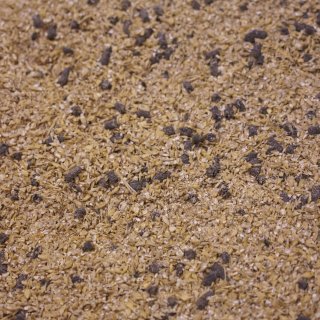
Feed milling helps process fuel crops and organic materials into a more uniform and manageable feedstock for digestion.
By improving consistency, operators can often achieve better handling characteristics and more efficient digestion within the plant.
Improved Particle Size Consistency
Uniform particle size plays a key role in helping digesters operate efficiently.
Consistent materials can support:
- More even fermentation
- Improved mixing inside the digester
- Reduced risk of blockages
- Better material flow through the system
- More stable biogas production
When feedstocks vary significantly in size and structure, some materials may break down more slowly than others, reducing overall efficiency.
Specialist milling helps create a more predictable feedstock that supports smoother operation.
Unlocking Value From Waste and Surplus Materials
One of the biggest opportunities within anaerobic digestion is the ability to turn underutilised materials into renewable energy.
Surplus crops, feed rejects, and agricultural by-products that may previously have had limited value can become an important resource when processed correctly.
Potential feedstocks can include:
- Wholecrop cereals
- Maize silage
- Surplus forage crops
- Food manufacturing by-products
- Feed industry residual materials
- Organic waste streams
This supports a more circular approach to farming and resource management by reducing waste and extracting additional value from available materials.
For farms and businesses facing pressure from rising input costs and sustainability targets, making better use of existing resources has never been more important.
Flexible Milling Solutions for Different Operations
No two anaerobic digestion systems are exactly the same. Feedstock requirements vary depending on plant size, digester design, available materials, and operational goals.
At BW Feeds, our approach is focused on flexibility and practical support. Milling solutions can be tailored to suit different material types and operational requirements, helping businesses process fuel crops and by-products more effectively.
Whether working with energy crops, surplus feed materials, or mixed agricultural by-products, having access to reliable processing support can help operators maintain consistency throughout the year.
Flexibility is particularly important as seasonal conditions and crop availability continue to change. Wetter harvests, variable forage quality, and fluctuating commodity markets all influence the types of materials available for AD systems.
Having adaptable milling solutions in place helps businesses respond more efficiently to these challenges.
Supporting Sustainable Farming and Renewable Energy
Anaerobic digestion plays an increasingly important role in supporting sustainable farming systems across the UK.
By generating renewable energy and reducing waste, AD systems can help businesses improve environmental performance while creating additional income opportunities.
Feed milling contributes to this process by helping maximise the value and usability of available materials.
The wider sustainability benefits include:
- Reducing waste sent to disposal
- Supporting renewable energy generation
- Improving resource efficiency
- Helping farms diversify income streams
- Supporting circular agricultural systems
As environmental targets continue to evolve, technologies and services that improve efficiency and reduce waste are likely to become even more valuable across the agricultural sector.
Why Consistency Matters in AD Performance
Stable digester performance depends heavily on feedstock consistency. Sudden changes in material composition or structure can affect fermentation and gas production, sometimes leading to operational inefficiencies.
Inconsistent feedstock may contribute to:
- Fluctuating gas yields
- Poor mixing within the digester
- Increased maintenance requirements
- Reduced process stability
- Lower overall efficiency
Reliable milling and processing can help reduce variability and support smoother day-to-day operation.
For AD operators, maintaining consistency is not just about productivity. It is also about reducing downtime, improving reliability, and protecting long-term system performance.
Innovation Through Practical Agricultural Expertise
At BW Feeds, innovation is rooted in practical agricultural knowledge and an understanding of how materials perform in real-world conditions.
Our experience handling a wide range of feed ingredients and agricultural materials allows us to provide flexible support for businesses looking to maximise value from fuel crops and by-products.
As the agricultural and renewable energy sectors continue to evolve, services that combine efficiency, sustainability, and adaptability will become increasingly important.
Feed milling for anaerobic digestion is not simply about processing material. It is about helping businesses improve resource use, reduce waste, and support more sustainable farming systems for the future.