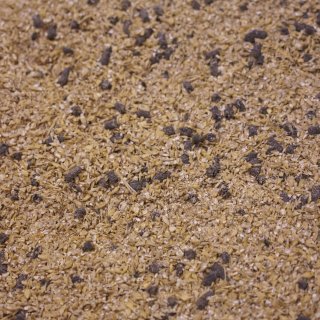

Looking for sustainable animal feed in Essex? Discover how sourcing quality livestock feed locally can reduce feed miles, support British farming and improve efficiency.
Kathryn Thompson :: Monday 13th July 2026 :: Latest Blog Posts
Sustainable Feed Practices for Essex Farms: Why Local Feed Choices Matter
Sustainability has become one of the biggest priorities for modern British farming. With increasing pressure to reduce carbon emissions, improve resource efficiency and strengthen food security, farmers across Essex are looking for practical ways to make their businesses more sustainable without compromising productivity.
While much of the conversation focuses on renewable energy, soil health and regenerative farming, one area that can often be overlooked is animal feed. The feed you choose, where it comes from and how it reaches your farm all play an important role in your operation's environmental footprint.
By sourcing quality feed from a trusted local supplier, farmers can help reduce transport emissions, support the regional agricultural economy and benefit from a more resilient supply chain. Sustainability doesn't always require major changes-sometimes it starts with making smarter everyday decisions.
Why Feed Matters in Sustainable Farming
Animal feed represents one of the largest inputs on any livestock farm, both financially and environmentally. Beyond its direct impact on animal health and performance, feed contributes significantly to the overall carbon footprint of livestock production.
Recent industry research suggests that purchased feed can account for around a third of emissions on many UK dairy farms, highlighting the importance of understanding not only what is being fed, but also where those ingredients originate and how they are transported.
As sustainability reporting becomes increasingly important throughout the food supply chain, many farmers are beginning to look beyond price alone when selecting feed suppliers. Instead, they are considering factors such as sourcing, efficiency, consistency and reliability.
Choosing nutritionally balanced feed that delivers excellent performance can also improve feed efficiency, helping animals make better use of every kilogram consumed. This reduces waste while supporting healthy growth, productivity and overall farm profitability.
Understanding Feed Miles
Much like the concept of "food miles", feed miles refer to the distance animal feed travels from manufacture or production to the farm.
The further feed travels, the greater the transport emissions associated with delivering it. Long supply chains may also introduce delays, increase costs and leave farmers more vulnerable to disruption caused by weather, fuel prices or wider global events.
Working with a supplier that serves Essex offers several practical advantages:
- Reduced transport distances and associated emissions.
- More reliable and responsive deliveries.
- Greater supply chain resilience.
- Fresher products arriving in optimal condition.
- Better communication and customer support.
While feed ingredients may still originate from a variety of carefully selected sources, partnering with a local supplier can significantly reduce the final distribution journey and improve overall service.
Supporting Local Agriculture
Sustainability isn't only about reducing carbon emissions-it is also about creating stronger rural communities and supporting British agriculture.
When farmers choose local suppliers, more investment stays within the regional economy. That helps support agricultural businesses, creates employment and strengthens long-term relationships between farmers and trusted suppliers.
For many livestock producers, having access to knowledgeable local experts is just as valuable as the products themselves. A supplier who understands regional farming systems, seasonal grazing conditions and local challenges can often provide practical advice that national distributors simply cannot match.
Building these relationships creates resilience on both sides, allowing suppliers and farmers to work together as circumstances change throughout the year.
Sustainable Feeding Without Compromising Performance
There is sometimes a misconception that sustainable farming requires sacrificing productivity. In reality, the opposite is often true.
Efficient feeding programmes help animals convert nutrients more effectively, reducing waste while maintaining excellent performance. Better feed efficiency means fewer resources are required to produce the same output, benefiting both the environment and the farm's bottom line.
Modern feed formulations are designed to provide balanced nutrition that supports growth, health and productivity while making the best possible use of raw materials. Advances in nutritional science, ingredient selection and feed technology continue to improve efficiency across the livestock sector.
Rather than focusing solely on reducing environmental impact, today's sustainable feeding strategies aim to achieve both economic and environmental benefits simultaneously.
Practical Ways to Improve Feed Sustainability
Improving sustainability doesn't necessarily require major investment. Small changes across everyday management can make a meaningful difference over time.
Some practical steps include:
- Source feed from reliable local suppliers whenever possible.
- Order efficiently to reduce unnecessary deliveries.
- Store feed correctly to minimise spoilage and waste.
- Select feeds that are formulated specifically for your livestock and production goals.
- Monitor feed usage to identify opportunities for improved efficiency.
- Work with experienced suppliers who can provide tailored nutritional advice.
These straightforward measures not only reduce waste but can also improve animal performance and help control costs.
Why Local Knowledge Matters in Essex
Every farming region has its own unique challenges. From varying soil types and grazing conditions to seasonal weather patterns, local knowledge plays an important role in selecting the right feeding solutions.
Farmers across Essex manage a diverse range of livestock enterprises, from beef and sheep to poultry, pigs and equestrian businesses. Their nutritional requirements can vary considerably throughout the year, making tailored advice particularly valuable.
A regional supplier understands these local conditions and can offer recommendations based on practical experience rather than a one-size-fits-all approach.
That level of service helps farmers make informed feeding decisions while ensuring livestock continue to receive consistent, high-quality nutrition throughout the seasons.
Working Towards a More Sustainable Future
The UK feed industry continues to evolve as sustainability becomes an increasingly important part of agriculture. Greater transparency around ingredient sourcing, improved feed efficiency and ongoing innovation are helping farmers reduce emissions while maintaining productive livestock systems.
However, sustainability is not achieved through one single change. It is built through a combination of thoughtful decisions made across the entire farming business.
Choosing a dependable local feed supplier is one of those decisions.
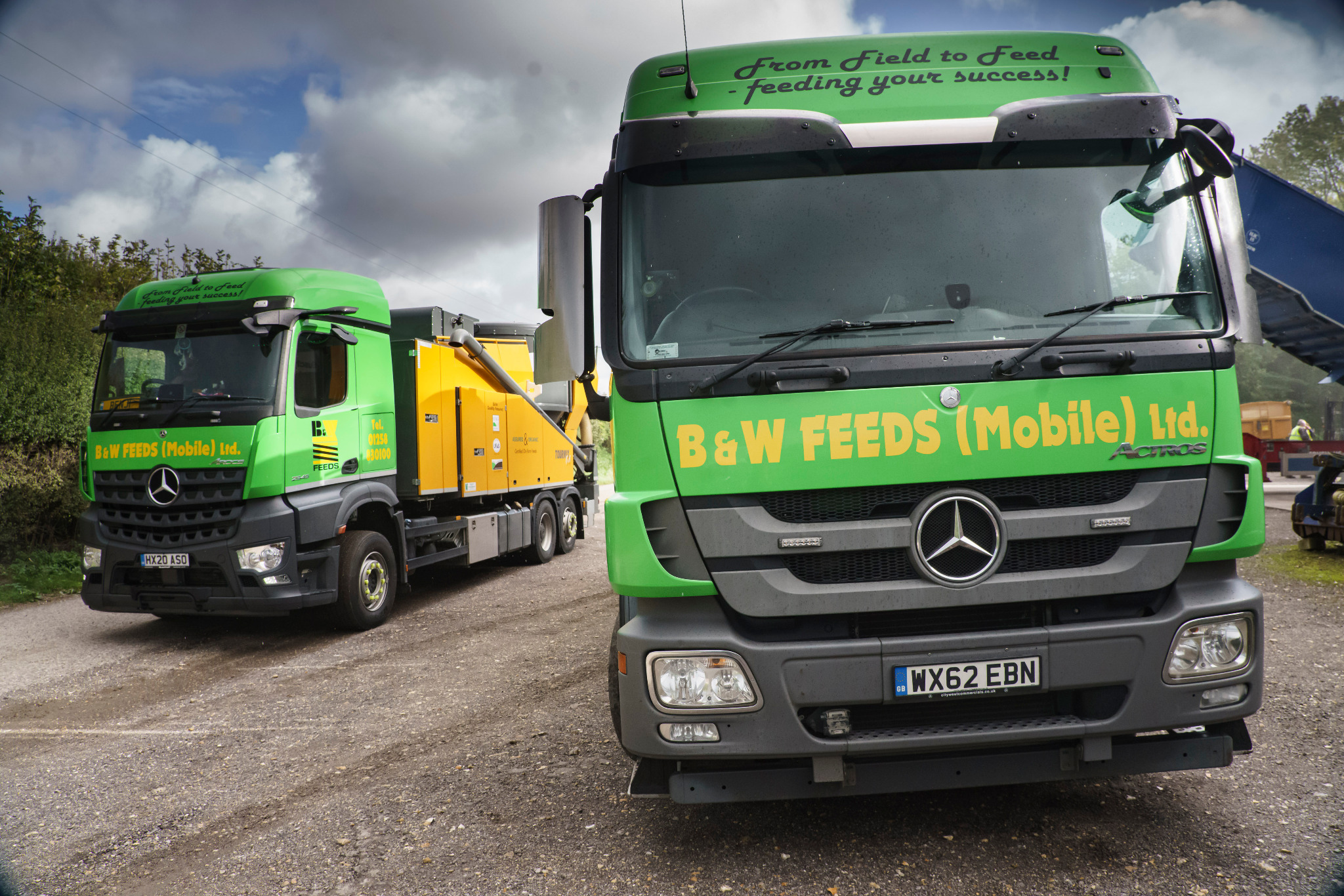
At BW Feeds, we are proud to support farmers across Essex with quality animal feeds, reliable deliveries and practical advice built on experience. By working closely with our customers, we aim to help them achieve excellent livestock performance while supporting responsible farming practices for the future.
Conclusion
Sustainable farming doesn't have to mean completely changing the way you work. Often, the biggest improvements come from making better everyday choices.
Selecting quality feed, improving feed efficiency and working with a trusted local supplier can all help reduce unnecessary emissions, minimise waste and strengthen the resilience of your farming business.
As agriculture continues to evolve, local partnerships will remain at the heart of sustainable farming-supporting not only healthier livestock, but stronger rural communities and a more resilient food supply chain for generations to come.